
Vets and pet care
A registration is worth a decade. Almost every veterinary marketing budget is judged on something that happens in the first week.
You run a veterinary practice, an emergency service, a grooming business or another pet service. A new client is a relationship measured in years, and most of your revenue comes from people who are already registered.

New registrations are the thing you need and the thing nobody counts properly. The advertising reports clicks and calls, and neither has ever been compared with the practice system.
What we keep finding
Four things that are true across veterinary practices.
A registration is treated as a small event
It is the largest event in the business. A registered client with a young animal represents years of consultations, vaccinations, dentals and food. Valued at the price of a first appointment, it is under bought every single month.
Health plans are the best product and the worst measured
They smooth revenue, improve compliance and increase retention. Sign up rate by source is a number almost nobody has, which means nobody knows which advertising brings the clients who take one.
Emergency searches are bought at the same price as routine ones
Somebody searching at eleven at night with a sick animal is in a different state from somebody comparing practices on a Sunday afternoon. Merging them into one campaign means the urgent, valuable traffic is under funded at exactly the hour it matters.
Corporate competition is met with the same advert everyone else runs
Where a chain has moved in nearby, an independent practice competing on the same generic terms with the same generic copy loses on budget. The winning ground is almost always the specific thing you do that they cannot, and it is usually unmentioned on the website.
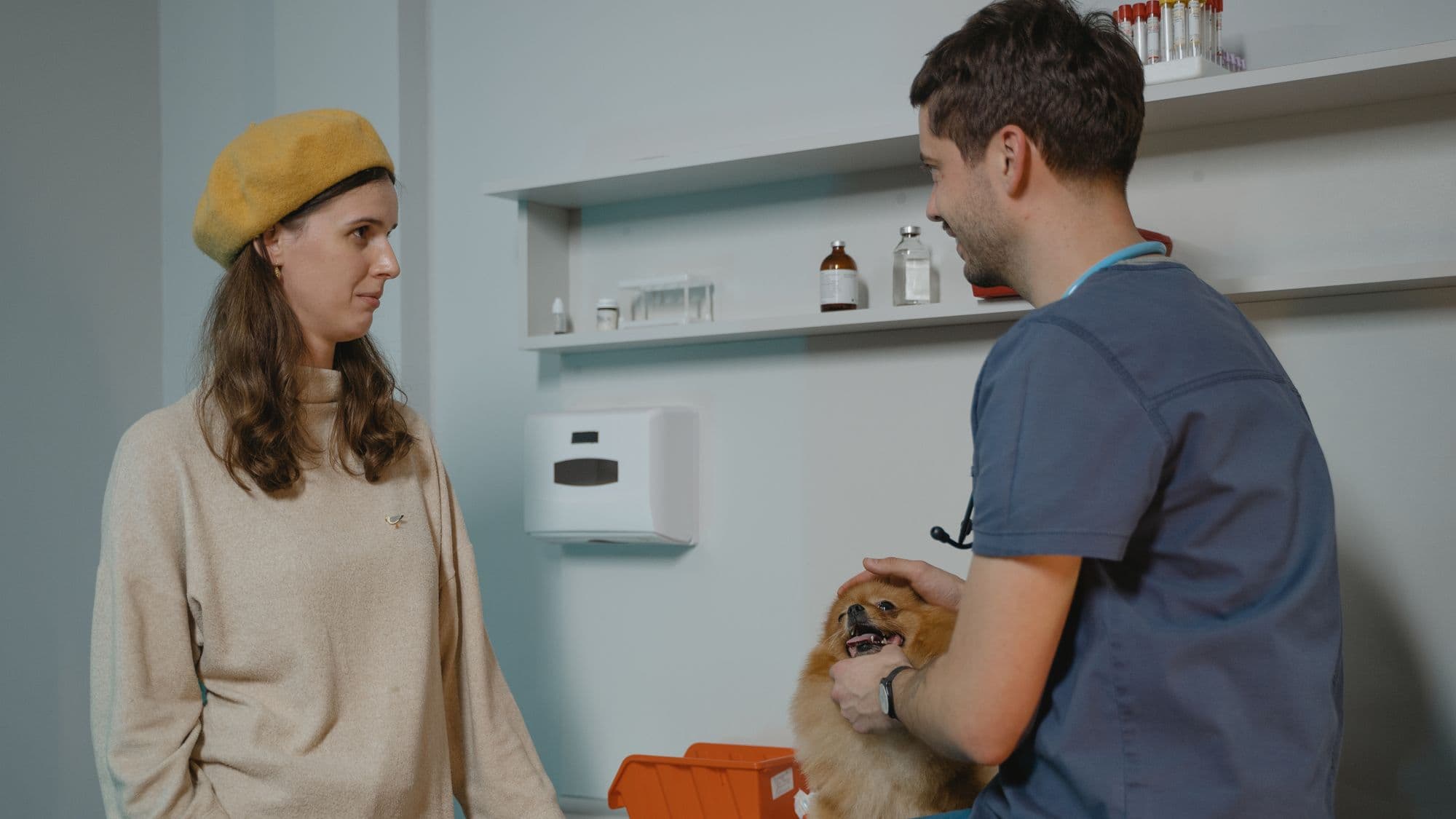
The decade starts here. Measure this moment properly and nearly every other question about the marketing answers itself.
What changes
What the practice can answer afterwards.
- What a new registration costs, by sourceAnd what it is worth, over the actual lifetime of a client rather than over the first invoice.
- Which advertising brings plan membersSign up rate by source, so the channel that brings committed clients can be funded ahead of the one that brings one off visits.
- Whether the out of hours spend paysEmergency demand separated, funded and measured on its own terms rather than averaged into the daytime account.
- What the practice is actually known forTaken from search terms and call recordings rather than from what the team assumes, which is very often not the same thing.
What we measure here
The numbers a veterinary business runs on.
- New client registrations, imported from the practice management system
- Health plan sign ups as a separate, valued event
- Lifetime value by species and by age at registration, fed back into bidding
- Emergency and routine demand split, with their own budgets and hours
- Appointment attendance and rebooking rate
- Reviews and local listings treated as acquisition rather than as reputation admin
- Owner contact details never sent to an advertising platform
Questions people ask
The ones that actually arrive.
We are fully booked and cannot take new clients.
Then this is the wrong month to spend on acquisition, and we will say so. The useful work in that position is retention, plan uptake and pricing, none of which requires more advertising. Come back when there is capacity.
Can you get data out of our practice management system?
Usually. What we need is registrations and revenue, aggregated, on a schedule. No clinical records and no owner details. Most systems can produce that, and where one cannot a weekly summary by hand works perfectly well.
A corporate group opened two streets away.
Then the first job is finding out what your existing clients actually value about you, and the second is making sure that is the first thing a stranger reads. This is usually a research and website problem before it is an advertising one, and we would rather tell you that than sell you campaigns.
Is Meta advertising any use for a vet?
For registrations, occasionally. For plan sign ups among people who already know you, and for filling quiet clinics, it can be very good. We would run it small and measured rather than as a permanent line item.
Proof
An Australian taxi company
More calls, at less than half the cost, by telling Google which callers paid.
A different trade. It is here because it is the clearest example we own of what happens when a phone call stops being the conversion and the completed job becomes one.
Read the case study- more booking calls
+27%
more booking calls
- lower cost per call
−56%
lower cost per call
- average cost per click
$2.10
average cost per click
Where this usually starts
Two pieces of work, in this order.
Businesses that sell the same way
Your turn
Bring the number you do not trust.
30 minutes. Most of these conversations start with somebody describing a report they have stopped believing.