

Plumbers, electricians and heating engineers
Somebody with water coming through a ceiling is not comparison shopping. Somebody planning a rewire is doing nothing but. The same campaign is currently chasing both.
The phone rings all day and the bank balance does not reflect it. You suspect some of the advertising is paying for work you would have had anyway, and you cannot prove which.
What we keep finding
Four things that are true in almost every trade business.
These are not signs of a badly run firm. They are what happens when the measurement was set up once, by somebody who did not have to answer the phone.
Emergency and planned work share one campaign
A burst pipe at eleven at night and a bathroom refit in six weeks are different businesses with different margins, different close rates and wildly different tolerances for cost per click. Run together, the cheap clicks from the planned side make the emergency side look expensive, and the budget moves the wrong way.
A quote sent is treated as a job won
It is the number everybody has, so it is the number everybody optimises toward. If half your quotes convert and the other half are people collecting three prices, then half your advertising is being judged on work you never did.
The van goes wherever the map circle says
A radius around a postcode looks tidy and costs money. The profitable work is usually in three or four areas and the loss making work is the forty minute drive to the fifth, sitting in exactly the same campaign at exactly the same bid.
Nobody separates a new customer from a returning one
A landlord with nine properties who has used you for years does not need to be bought again through Google. When repeat customers search your name and click a paid advert, you are paying for work that was already yours, and it flatters the report while it does it.
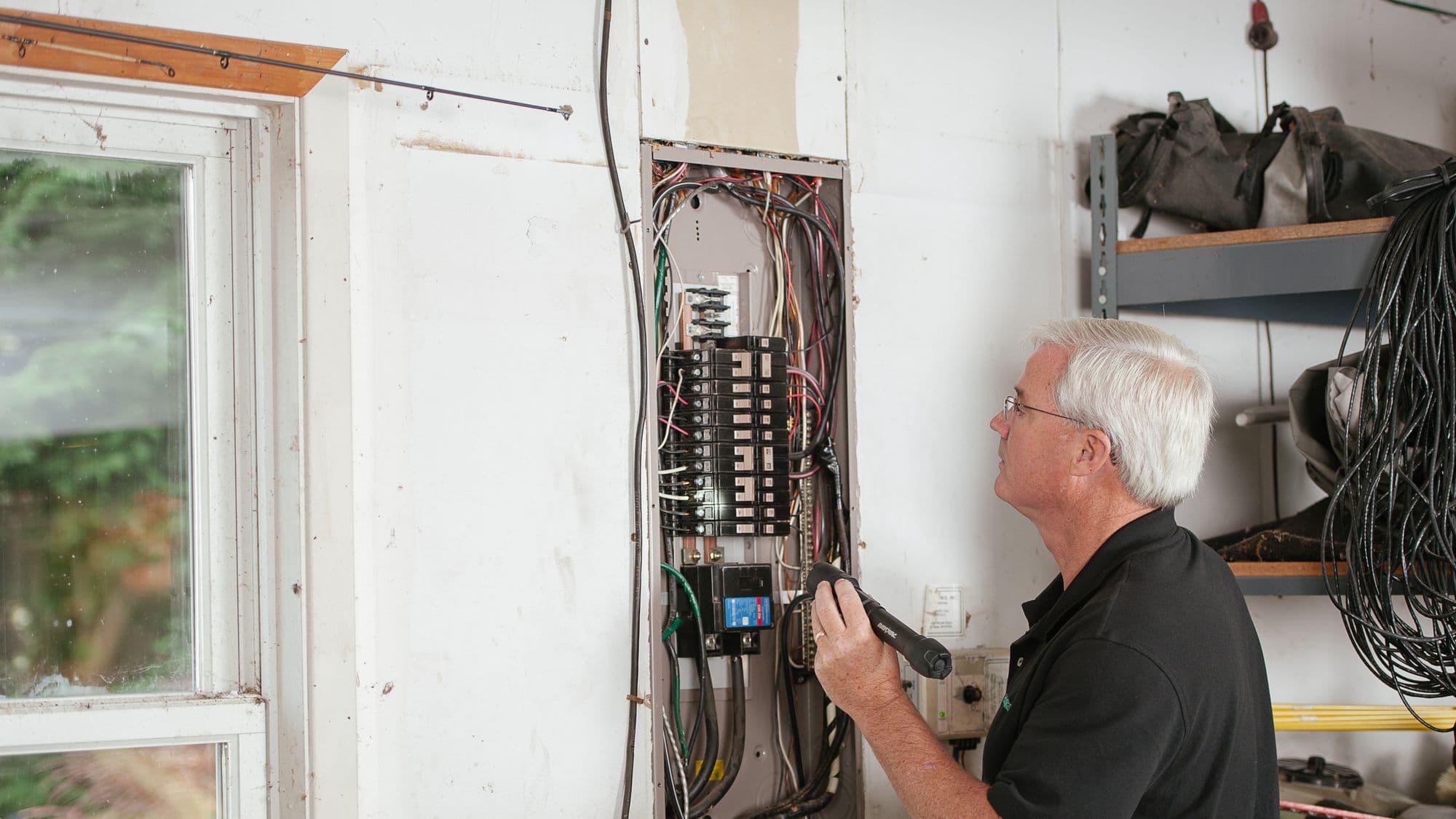
The useful question is not what a lead costs. It is what a job costs, and which jobs you would rather not have won.
The number most trade advertising is missing
What changes
What you can say afterwards.
- What an emergency job costs to win, separately from a planned oneTwo campaigns, two budgets, two sets of expectations, and a clear answer on whether the out of hours work pays for the disruption it causes.
- Which postcodes are worth the driveCost per completed job by area rather than cost per click by area. Some of the cheapest clicks you buy are in the places you least want a van to be.
- How many quotes actually turn into work, by sourceTraced from the advert through to the invoice, so a channel that produces plenty of quotes and no signatures stops looking like your best one.
- When the phone is not being answeredMissed calls by hour and day, set against what you are paying for them. In most trade businesses this is the single most expensive thing on the page and the one nobody is looking at.
What is included
The monthly work.
Practical rather than ceremonial. If a thing on this list stops being useful, it comes off rather than staying to fill a report.
- Call tracking with a minimum duration, separated by campaign and by hour
- Forms and calls counted as one enquiry when they come from the same person
- Jobs won imported from your job management software, or from a spreadsheet if that is what you actually use
- Emergency and planned work split into separate campaigns with their own budgets
- Service area built from where the profitable work is, not from a circle
- Brand searches separated out, so repeat customers are not counted as new ones
- Google Business Profile treated as a channel with numbers attached
- One note a week: spend, jobs, cost per job, what changed and why
How it starts
The first four weeks.
Nobody rebuilds your campaigns in week one. Campaigns rebuilt before the measurement is fixed just produce wrong answers sooner.
Agree what a job is worth
Average value of an emergency callout, of a planned install, of a service contract. Roughly is fine. Being roughly right about this beats being precisely wrong about cost per click.
Make the phone measurable
Call tracking numbers, duration thresholds, and a way of telling a customer apart from a supplier. This alone usually cuts the reported conversion count in half and makes the remaining half worth reading.
Connect the diary
Whatever you book work in, from Commusoft to a wall planner, we find a route for completed jobs to get back to the advertising. It does not have to be elegant to be right.
Then change the advertising
Split the campaigns, fix the areas, cut the search terms that bring people looking for free advice. This is where most agencies begin and it is why their first quarter is guesswork.
Questions people ask
The ones that actually arrive.
We spend about four hundred a month. Is that enough for you?
No, and we would rather say it than take the work. Below roughly two thousand a month in advertising our fee is a bigger problem than your measurement is. The honest advice at that level is a one off piece of work to get the tracking right, after which you run it yourself.
Are Local Services Ads worth it?
Often yes, for emergency work, and they need very little from us to run. What they need is the same thing everything else needs: somebody checking whether the leads Google charged you for were real, and disputing the ones that were not. Most firms never dispute anything.
Most of our work comes from word of mouth.
Then the first job is measuring that properly, because businesses in this position routinely credit paid advertising for work a neighbour recommended, then spend more on the advertising. Separating brand searches from everything else usually takes a day and changes the picture completely.
We already rank well without paying.
Good, and that is worth protecting before it is worth supplementing. If organic is bringing the work, the useful spend is often on making the enquiry easier to complete and the phone easier to answer, not on buying clicks next to your own name.
Proof
An Australian taxi company
More calls, at less than half the cost, by telling Google which callers paid.
A different trade with an identical fault: paying for phone calls with no way of knowing which ones turned into work.
Read the case study- more booking calls
+27%
more booking calls
- lower cost per call
−56%
lower cost per call
- average cost per click
$2.10
average cost per click
Where this usually starts
Two pieces of work, in this order.
Businesses that sell the same way
Your turn
Bring the number you do not trust.
30 minutes. Most of these conversations start with somebody describing a report they have stopped believing.