
Conversion tracking that counts every sale once.

Every ad platform marks its own homework. We count each sale, call or booking once, and show you which ad to thank for it.

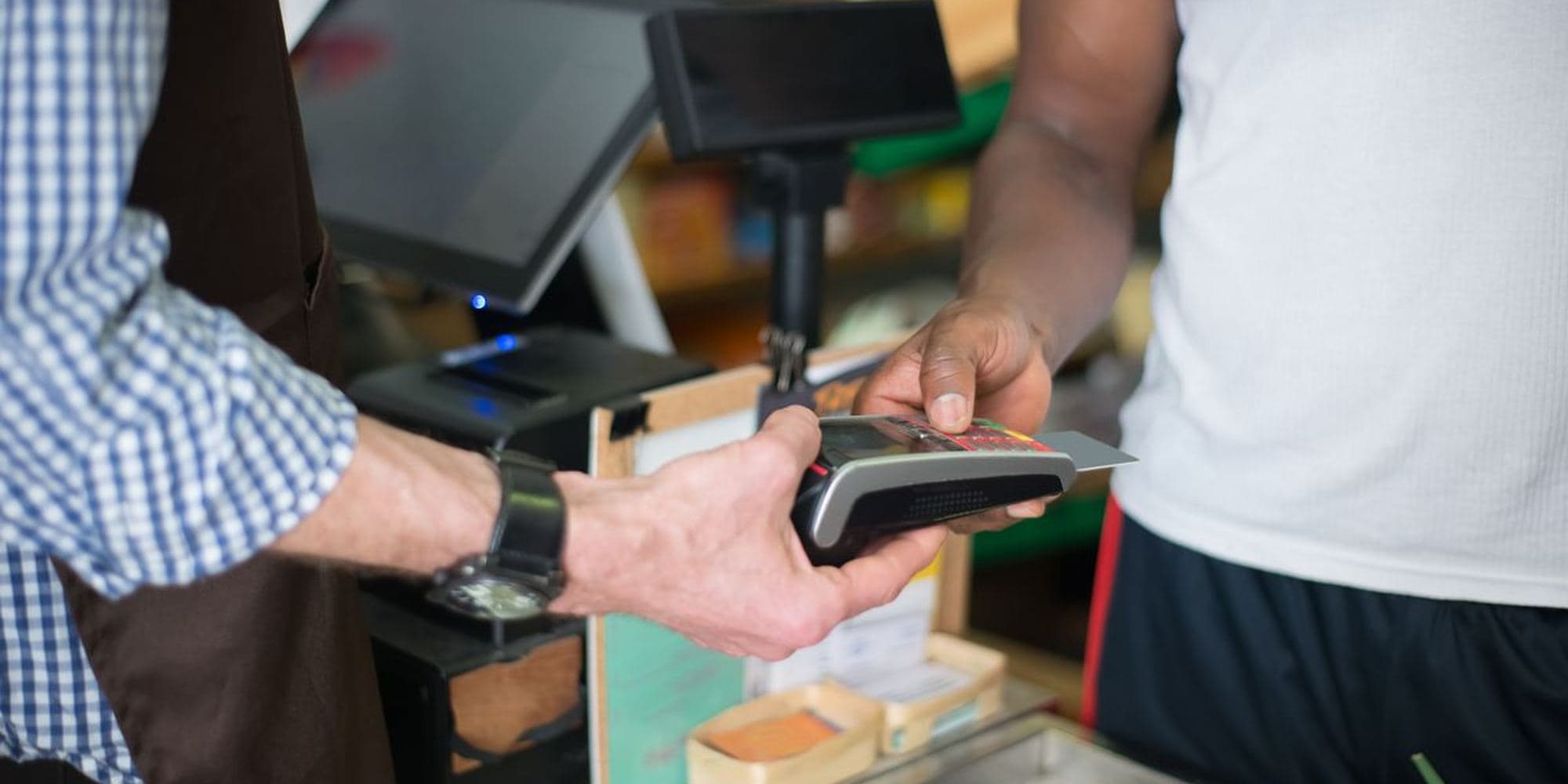
A customer paying by card on a handheld card machine at a shop counter

What we count

  • Google’s conversions (not what we judge you on)
  • Meta’s conversions (not what we judge you on)
  • Each sale, counted once

−56%lower cost per call · taxi client

Add up the conversions your platforms report and you get more sales than you actually made. Everyone in the room knows it. Nobody knows by how much.

  • Google Ads conversionsReported
  • Meta conversionsReported
  • How many are the same sale?Unknown

Calls matched to bookings

More booking calls, once Google knew which callers actually paid.

A taxi company paying for calls from Google Ads, with no way of telling a booking from a wrong number. We joined the calls to its own booking records, then told Google which callers had paid.

more booking calls
+27%
lower cost per call
−56%
average cost per click in their marketavg cost per click (AU)
$2.10
Read the full case study
A rank of taxis waiting under street lights at night

What counted as a result

BeforeAny phone call

AfterA call that became a paid ride

What changes

Three arguments you stop having.

The rule behind each answer is written down, so it can be argued with and checked.

  • You can say

    Which channel to credit

    One number per channel, agreed in advance, with the rule written down. The rule can be argued with. The arithmetic cannot.

  • You can say

    Whether to spend more

    A cost per customer you would be willing to show your accountant, so a decision to double a budget is a decision rather than a hope.

  • You can say

    What a lead is worth

    Traced past the enquiry to the invoice, so the campaigns that bring people who pay stop being funded at the same rate as the ones that bring people who ask.

The gap

One count of what happened, not one per platform.

Both columns are usually true at the same time. That is the problem: nobody is lying, and the numbers still do not add up.

What the reports say

  • Google claims the sale, because the customer clicked a search ad first
  • Meta claims the same sale, because they saw a video two days earlier
  • A phone call is counted as a conversion whether it lasted nine seconds or nine minutes
  • The refund never reaches the ad account, so the revenue figure stays high
  • An ad blocker eats the tag, and a real sale is never counted at all

What we set up instead

  • One record per sale, held in your systems rather than in a platform's
  • The click that produced it kept with it, so a channel can be credited or not
  • Calls counted only past a length you choose, because a wrong number is not a lead
  • Refunds and cancellations sent back, so the reported return falls when the real one does
  • Server-side measurement, so a blocked browser tag no longer means a lost sale
A woman smiling as she takes a phone call at her desk, a laptop open in front of her
What changed firstThe taxi company we did this for got 27% more booking calls at 56% less cost per call. We changed no adverts in the first month. We changed what counted as a call worth having.

What is included

Every sale followed from the click to the refund.

  • Conversion actions defined once and imported into Google Ads and Meta
  • Server-side tagging, so measurement survives ad blockers and browser restrictions
  • Google Enhanced Conversions and the Meta Conversions API, with customer details scrambled (hashed) before anything leaves your server
  • Call tracking with a minimum duration, where the phone is a real channel for you
  • Offline conversion import, so a sale closed by a person still reaches the platform that bought the click
  • Refund and cancellation feedback, so the numbers go down when the money does
  • A de-duplication rule, written down, for the sales two platforms both claim

FAQ

The questions we hear most.

Yes, and that is the point. The first honest month usually reports fewer conversions than the month before, because it stops counting the same sale twice. The money coming in does not change. What changes is that the figure you plan with is now the one that matches the bank.

Your turn

Bring the number your platforms cannot agree on.

Tell us what each platform claims and what actually came in. Within a working day we will tell you where the gap probably comes from, roughly what closing it would take, and whether we are the right people for it.