
Analytics that tells you why sales went up or down.

Most analytics setups record everything and explain nothing. Ours starts with the questions you need answered, and measures only what answers them.

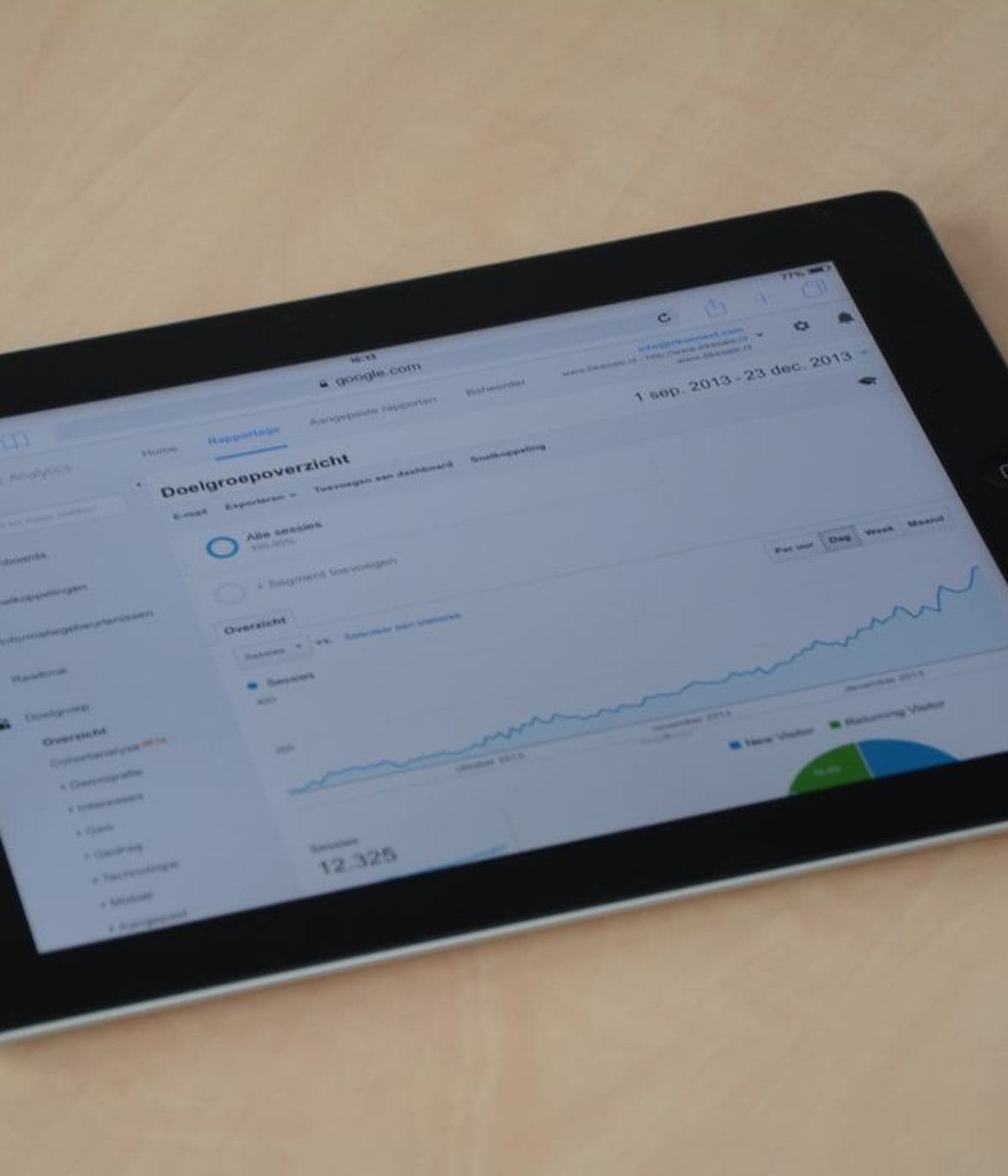
A tablet on a wooden desk showing an analytics report

What we measure

  • Page views (not what we judge you on)
  • Sessions (not what we judge you on)
  • The pages buyers read

+32%monthly enrolments · language school

You have Google Analytics. You have had it for years. Nobody opens it, because the last time somebody did they could not tell whether the number in front of them was good or bad.

  • Tag on the siteInstalled
  • Data going backYears
  • Is this number good or bad?Unknown

One client, six months

More students enrolled, and each one cost less to win.

A language school whose ads filled WhatsApp with enquiries, and nobody could say which of them enrolled. We followed each conversation through to a paid place before any budget moved.

monthly enrolments
+32%
cost per enrolment
−29%
average reply time, down from most of a dayaverage reply time
1 hr
Read the full case study
A teacher and a young student sitting at classroom desks with notebooks

What counted as a result

BeforeA WhatsApp message

AfterA paid enrolment

What changes

Four questions you can answer by the end of the month.

Each answer comes from a plan you approved, not from whatever happened to be recorded.

  • You will know

    Which pages do the selling

    Not which get the most visits. Which ones the people who eventually buy have read, and in what order.

  • You will know

    Where the drop happens

    The exact step people leave on, split by phone and desktop, because it is almost never the same step on both.

  • You will know

    What a customer costs

    By channel and by campaign, counted once. Two platforms claiming the same sale is the most common reason a reported cost per customer is wrong.

  • You will know

    Whether last month was good

    Against the month before it and the same month last year, on a number that has meant the same thing the whole time.

Two people talking through a plan on a whiteboard covered in sticky notes
Before any trackingThis part is not technical, and it decides everything after it. An analytics account is only as good as the afternoon spent agreeing what the words mean.

How it runs

Four weeks from your questions to a first read you can use.

The order matters more than the speed. Measuring before agreeing what to measure is how an account fills with events nobody can name a year later.

Agree what to measure

  1. Write the questions down

    Two hours with whoever knows the business. We leave with a list of things you cannot currently answer, ranked by what a right answer would be worth.

  2. Name every event

    A written plan: each event (an action we record, such as a booking or a sign-up), when it happens, what it carries and which question it serves. You approve it before a line of code is written.

Then build and read

  1. Install and prove it

    The tracking code goes in, then we test it the only way that works: by using the site ourselves and watching what gets recorded. Nothing is signed off on a screenshot of a dashboard.

  2. Read it back to you

    The first monthly read, in plain language, with the things that surprised us marked as surprises rather than buried.

What is included

A setup you own, and a person to read it.

  • A written measurement plan you keep, whether or not you keep us
  • Google Analytics 4 configured from scratch, or audited and repaired if you already have it
  • Google Tag Manager, with a container you own and can read
  • Server-side tagging (tracking that runs on your server rather than in the visitor's browser) where ad blockers are hiding a meaningful share of your visits
  • Consent Mode v2, Google's way of respecting each visitor's cookie choice, so visitors in the UK and EU are handled lawfully
  • Custom dimensions registered, so the reports break down by the things your business cares about
  • Cross-domain tracking where a checkout or a booking tool sits on another website address
  • A monthly read of the numbers, written by a person

The tools

Named once, for the person checking the work.

  • Google Analytics 4
  • Google Tag Manager, web and server
  • Looker Studio
  • BigQuery, where the volume justifies it
  • Consent Mode v2
  • Meta Conversions API and Google Enhanced Conversions

FAQ

The questions we hear most.

Probably not all of it. The usual finding is that the tag is fine and the plan behind it never existed, so the data is real but nobody knows what any of it means. That is a smaller job and we will tell you if it is what you have.

Your turn

Bring the number you cannot call good or bad.

Tell us what the number is and where it comes from. Within a working day we will tell you whether your current setup can answer it, roughly what it would take, and whether we are the right people for it.