
Taxi, minicab and private hire
A booking is a phone call that lasted long enough to become a ride. Almost nobody measures it that way, which is why almost everybody overpays.
You run a fleet, an office or an owner driver operation. Work comes in by phone, by app and through a dispatch screen, and the difference between a busy Friday and a profitable one is not obvious from any report you currently get.
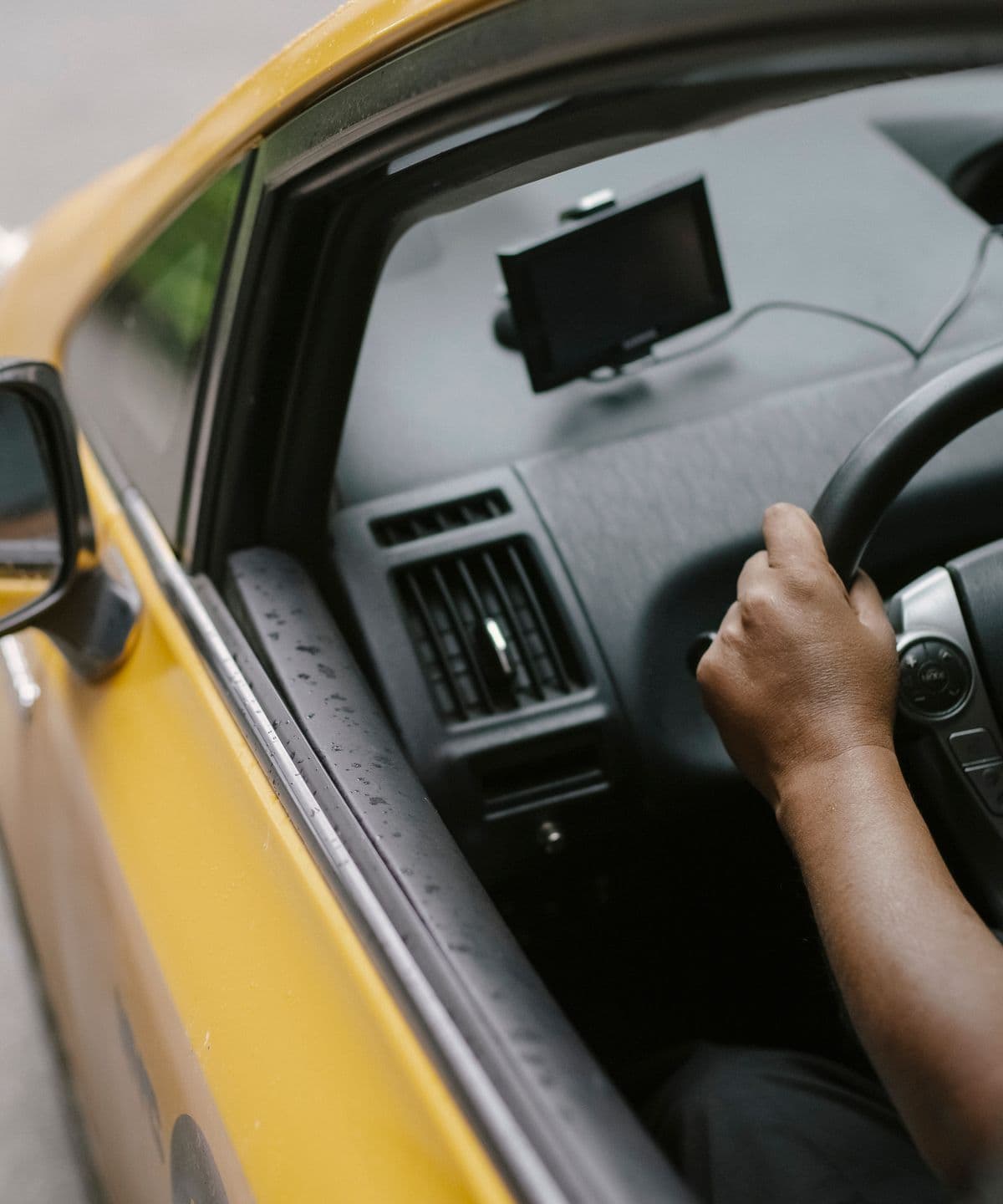
Google says the campaign produced four hundred calls last month. You know some of those were the same person ringing twice, some were drivers, and you have no idea how many became a fare.
One operator, one year
What changing the definition of a lead was worth.
We changed what counted as a call worth having before we touched a single advert. The account did not get more budget. It got a better idea of what it was buying.
- more booking calls
+27%
more booking calls
client
- lower cost per call
−56%
lower cost per call
client
- average cost per click
$2.10
average cost per click
australia
What we keep finding
Five things that are true in nearly every firm we look at.
None of these are unusual. They are what happens when a business that sells by phone is measured by a system built for a shopping basket.
Every call counts, including the ones that last nine seconds
Wrong numbers, lost passengers looking for a different firm, drivers ringing the office, and somebody who hung up the moment they heard a hold tone. Set a minimum duration of about sixty seconds and the real cost per booking usually moves further in a week than a month of bid changes would.
Nobody can connect a call to the ride it produced
The dispatch system knows the job was completed and what it was worth. Google knows a call happened. The two have never been introduced, so the bidding is optimising toward ringing rather than toward earning.
The airport run and the two mile hop are the same conversion
One is worth eighty pounds and the other is worth eight. Counted as one event, the advertising learns to chase whichever is cheaper to win, which is always the wrong one.
The busiest hours are the worst measured
Friday from nine at night is when the phone does not stop and when nobody can answer it. A third of the calls in the peak go unanswered while the advertising keeps paying for them at the same rate as a quiet Tuesday morning.
The app is advertised as though an install were the sale
An install is a person who might book. A first completed ride is a customer. Firms routinely spend the same to get one as the other because only one of them is being counted.
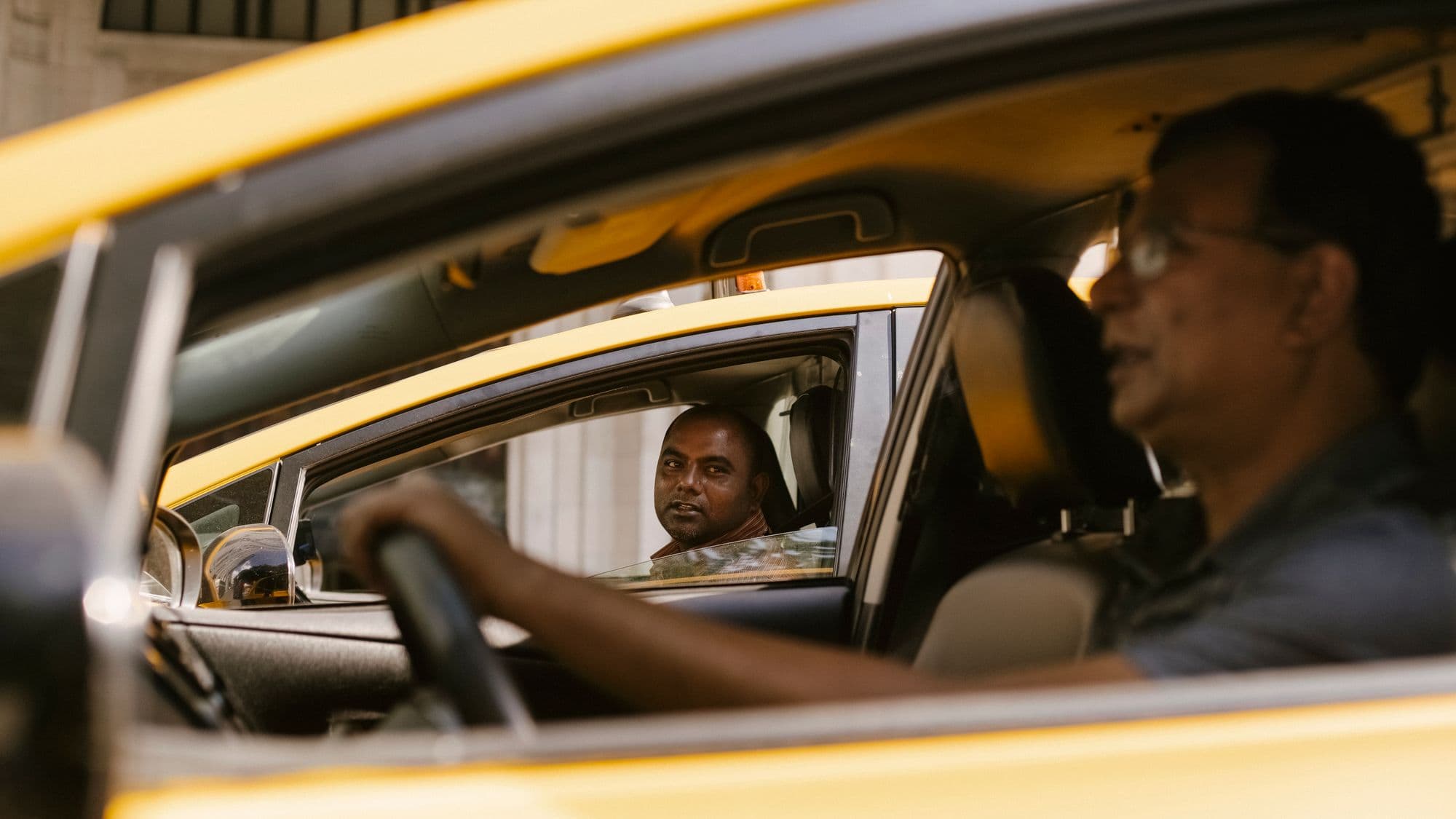
The part of this business the reporting never sees. Two thirds of what decides whether a month was good happens between a call being answered and a car arriving.
What we measure here
The numbers a fleet actually lives on.
Every business gets the fundamentals. These are the ones that matter in private hire and would be a waste of money somewhere else.
- Calls counted only past a minimum duration, so a wrong number is never a conversion
- Answered against missed, by hour of the day and day of the week
- Completed jobs imported back from your dispatch system and matched to the advertising that caused them
- Value sent back per job, so an airport transfer and a school run stop being the same event
- App installs measured through to a first completed ride, not to the install
- Account creation, first booking and repeat booking as three separate things
- Cost per completed job by suburb, so the long unprofitable runs are visible before the quarter ends
- Out of hours demand measured honestly, including the calls nobody picked up
The change
The same account, before and after the definition changed.
Nothing in the right hand column is a clever campaign idea. It is the same budget spent against a number that means something.
What the report said
- 412 conversions last month
- One conversion type, called Phone Call
- Cost per conversion: healthy, and falling
- Best performing campaign: the broad one
- No idea which calls became rides
- Budget moved on click cost
What it says now
- 183 calls over sixty seconds, of which 121 became jobs
- Four conversion types, each with a value
- Cost per completed job, tracked weekly
- Best performing campaign: the one nobody trusted
- Every job traced back to what bought it
- Budget moved on what a customer costs
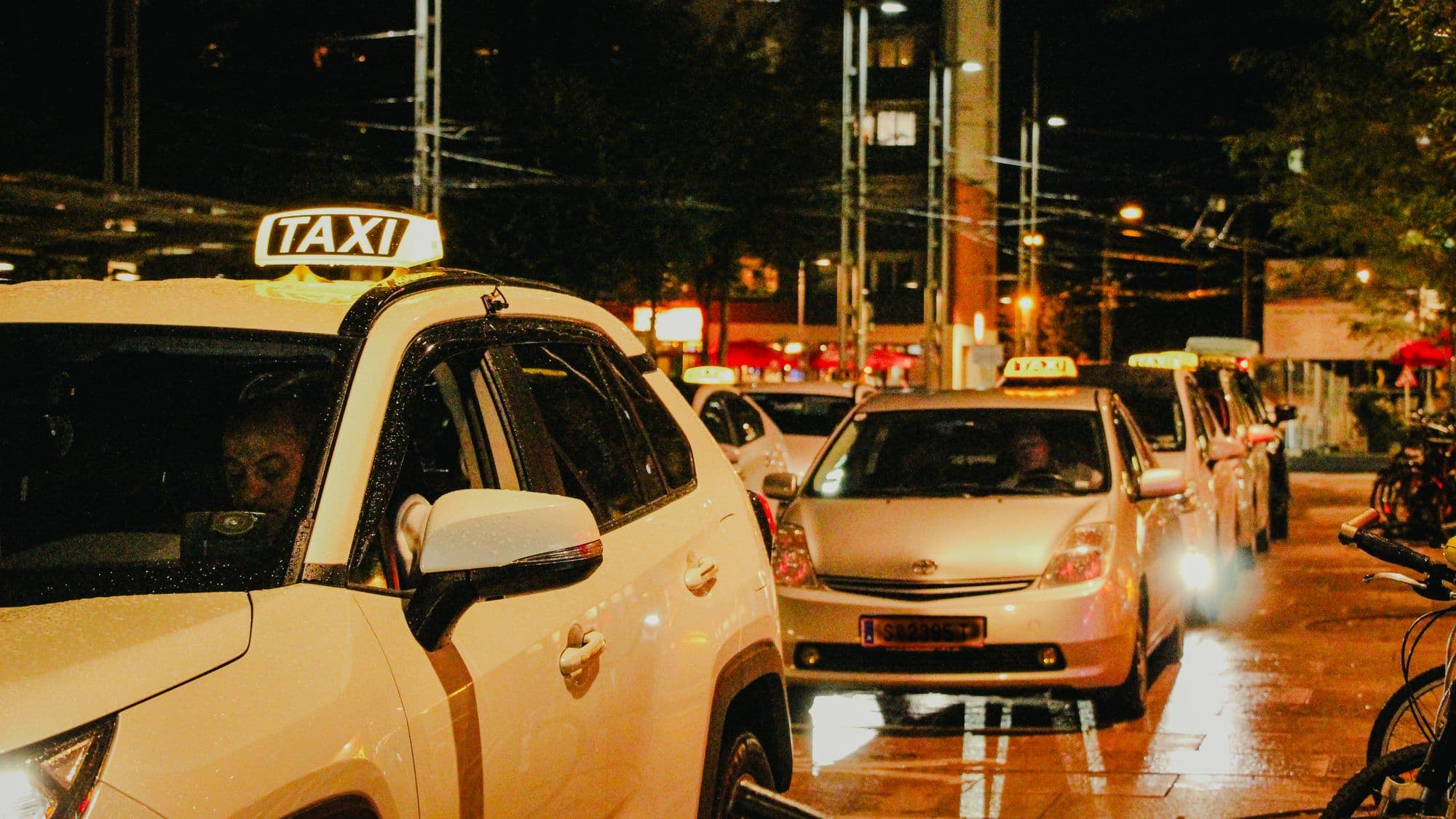
Friday night is when the phone does not stop and when nobody can answer it. That hour is the most expensive one you buy.
The hour nobody measures
We are busier than we have ever been and I could not tell you if we are making more money than last year.
Questions people ask
The ones that actually arrive.
We use Autocab. Can you get data out of it?
Yes, and out of iCabbi, Cordic and most of the others. What matters is not the brand, it is whether completed jobs can leave the system with a timestamp and a value attached. In almost every case they can, and in the few where they cannot we will tell you in the first week rather than the third month.
Most of our work is account and contract, not street bookings.
Then the advertising is doing a different job and should be measured differently. Contract work is won over months by a named person, so the useful number is cost per qualified enquiry and how many of those reach a quote, not cost per call. We would set it up that way and say so up front.
Do we need an app?
Usually not as the first thing. An app is worth building when you already know the cost of getting a customer and what one is worth, because those two numbers are what decide whether the app pays for itself. Built before you know them, it is an expensive guess with a maintenance bill.
Uber and Bolt are cheaper than us. Is advertising even worth it?
In a city centre with heavy rideshare coverage, competing on price through paid search is usually a losing position and we will say so. Where operators in that situation do win is on the work rideshare handles badly: pre booked airport runs, accounts, contracts, school and medical transport, larger vehicles. That is a narrower campaign and a much better one.
How long before we see anything?
About four weeks to the first honest answer, because that is how long it takes to get call duration, dispatch data and the advertising talking to each other. A quarter before bidding has enough clean conversions to be doing real work on its own.
Proof
An Australian taxi company
More calls, at less than half the cost, by telling Google which callers paid.
This is the sector the work was built in. An Australian operator, buying phone calls, with no way of knowing which ones paid.
Read the case study- more booking calls
+27%
more booking calls
- lower cost per call
−56%
lower cost per call
- average cost per click
$2.10
average cost per click
Where this usually starts
Two pieces of work, in this order.
Businesses that sell the same way
Your turn
Bring the number you do not trust.
30 minutes. Most of these conversations start with somebody describing a report they have stopped believing.