
Restaurants, cafés and takeaways
Every order through a platform costs you a quarter of the ticket and tells you nothing about the customer. That is the trade, and it is worth knowing exactly what it costs.
You run a restaurant, a café, a takeaway or a small group. You have covers or a kitchen to fill, delivery platforms take a large cut, and direct orders are worth substantially more than platform ones.
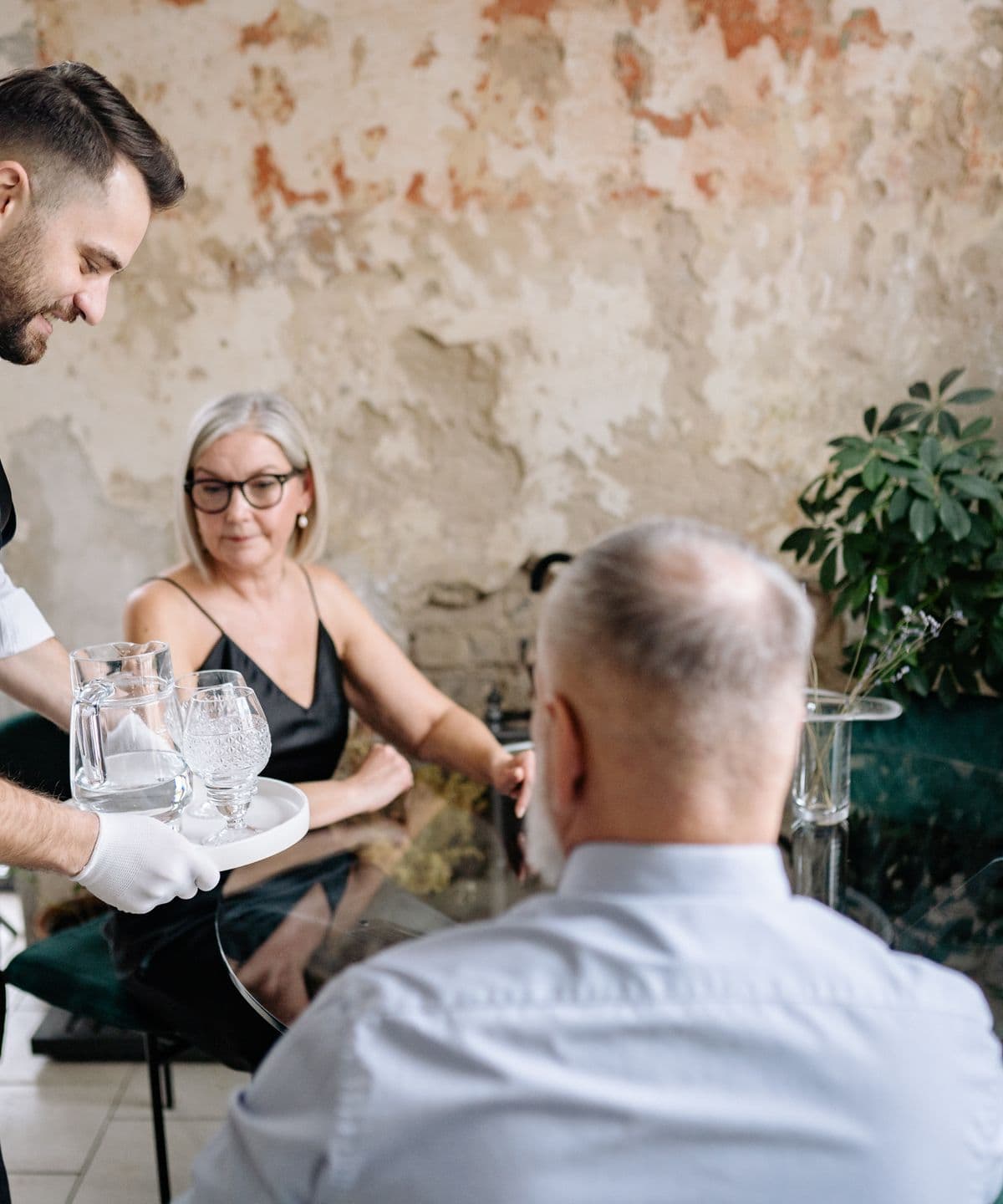
The delivery platforms are busy, the margin is thin, and nobody can tell you whether your own advertising is winning direct orders or simply reminding people to open an app.
What we keep finding
Four things that decide whether a site makes money.
Platform orders and direct orders are counted as the same order
One of them leaves you seventy pence in the pound and a customer you cannot contact again. The other leaves you nearly all of it and an email address. Reported together as revenue, the difference disappears and so does the incentive to shift the mix.
Nobody knows the cost of a direct order
Which makes it impossible to say how much is worth spending to win one. Most operators are either spending nothing on it or spending on it blindly, and both are expensive in different ways.
Demand is forecast from memory
You know Friday is busy. Whether next Friday will be busier than last Friday, given the weather, the school holidays and the event at the venue down the road, is a question the booking data can answer and rarely gets asked.
The Google listing does more work than the website and gets less attention
For a restaurant, the local listing is the shopfront: photographs, hours, menu, the first three reviews. It is very often out of date while somebody spends money on advertising pointing at a site nobody reaches.
A direct order is worth roughly a third more than the same order through a platform. Almost nobody prices their marketing against that number.
The arithmetic most takeaway marketing ignores
What changes
The four numbers worth having.
- What a direct order costs to winSet against the commission you would have paid on the same order, which turns the whole question into arithmetic rather than opinion.
- Which channels bring people who returnA first order is cheap to buy in this trade. A second one is the only evidence that it was worth buying.
- What the quiet service is really costingCovers by service and by day, so the effort goes to the sittings that need filling rather than to the ones that fill themselves.
- Whether the listing is doing its jobViews, direction requests and calls from your Google listing, treated as a channel with numbers instead of as a page somebody updated in 2023.
What we measure here
The numbers a site runs on.
- Direct orders and platform orders separated, with the true net value of each
- Cost per direct order, compared directly against platform commission
- Repeat order rate within thirty and ninety days, by how the customer first arrived
- Covers by service, day and channel, against capacity
- Google Business Profile treated as a measured channel: views, calls, directions, bookings
- Booking system connected, so a table reserved is a conversion and a no show is a cost
- Email and SMS lists built deliberately, because they are the only owned channel in this trade
Questions people ask
The ones that actually arrive.
Should we leave the delivery platforms?
Almost certainly not, and anybody telling you to has not done the sums. They bring volume you would not otherwise have. The useful goal is shifting the mix a few points toward direct over a year, which is worth a great deal and does not require burning a channel.
We are one site. Does any of this scale down?
Some of it. For a single site the honest version is a short piece of work: get the listing right, get a direct ordering route that is actually easier than the app, and measure the two things above. That is days rather than a retainer, and we will say so.
Is social media advertising worth it for a restaurant?
For a new opening, for a quiet midweek service and for an event, yes and it can be very good. As a permanent always on spend it is usually the first thing we would cut. The photographs matter more than the targeting in this sector.
Can you help with the website ordering?
Yes. That is the single highest value thing on this list for most takeaways, and it is a build job rather than an advertising one. It has to be genuinely faster than opening the app or it will not shift anything.
Proof
An Australian taxi company
More calls, at less than half the cost, by telling Google which callers paid.
A different trade. The relevance is narrow and real: it is about refusing to count a cheap event as a sale, which is the entire argument on this page.
Read the case study- more booking calls
+27%
more booking calls
- lower cost per call
−56%
lower cost per call
- average cost per click
$2.10
average cost per click
Where this usually starts
Two pieces of work, in this order.
Businesses that sell the same way
Your turn
Bring the number you do not trust.
30 minutes. Most of these conversations start with somebody describing a report they have stopped believing.