
Salons, spas and barbers
Filling a Saturday you were going to fill anyway is not marketing. The money is in Tuesday at two, and in whether anybody comes back.
You run a salon, a barbershop, a spa or a nail and beauty business. Chairs and rooms are your capacity, stylists have their own followings, and Saturday looks after itself.
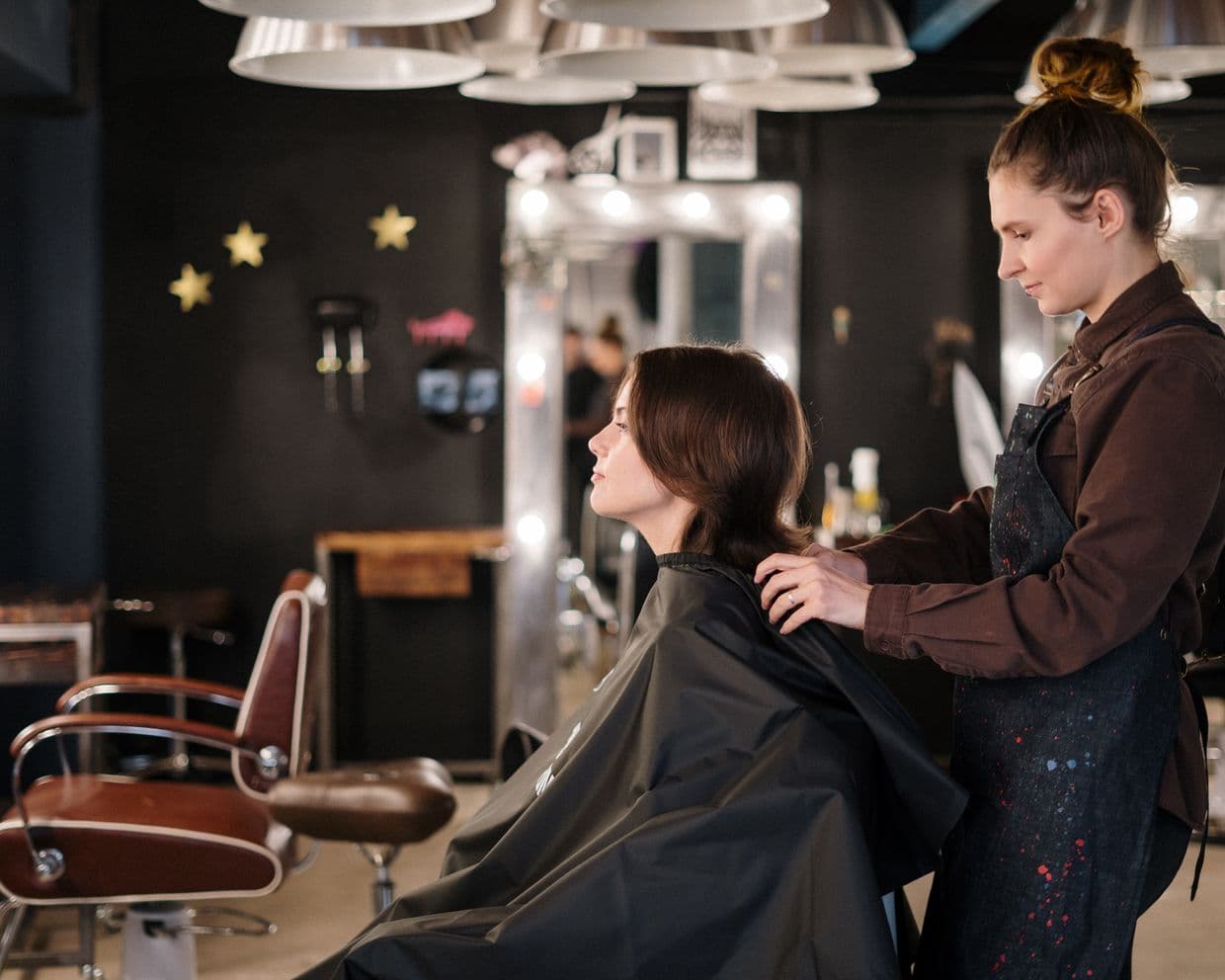
Offers bring people in and the same people never return. The column that needed filling is still empty and the discount came out of the week that did not need help.
What we keep finding
Four things that keep salon marketing from paying.
The offer fills the hours that were already full
A twenty percent discount promoted with no day or time restriction is mostly claimed by people booking the slots you could have sold at full price. The quiet Tuesday column stays quiet and the busy Saturday earns less.
A first visit is treated as a customer
In this trade a customer is somebody who rebooked. First visit acquisition cost without a rebooking rate beside it is a number that cannot be interpreted, and it is usually the only number a salon has.
Stylist level demand is invisible
Two stylists in the same salon can have completely different rebooking rates and completely different column gaps. Averaged into one salon number, neither problem is visible and neither is fixable.
The booking system and the advertising have never met
Fresha, Treatwell, Phorest and the rest all know exactly what happened. Almost none of them are connected to the thing that paid for it, so the advertising is optimising on appointments requested rather than appointments attended and paid.
What changes
What you can say afterwards.
Which hours the advertising should be buying
Demand by day and hour set against your actual column gaps, so the budget goes to the parts of the week that need it.
Rebooking rate by source
The number that decides whether a first visit was worth buying. It varies enormously between channels and almost nobody looks.
What a client is worth over a year
Six visits and a retail spend rather than one appointment, which changes what you can afford to pay to acquire one.
Whether the discount was necessary
Tested against a version with no discount and a better time slot. The answer is often no, and it is worth a lot.
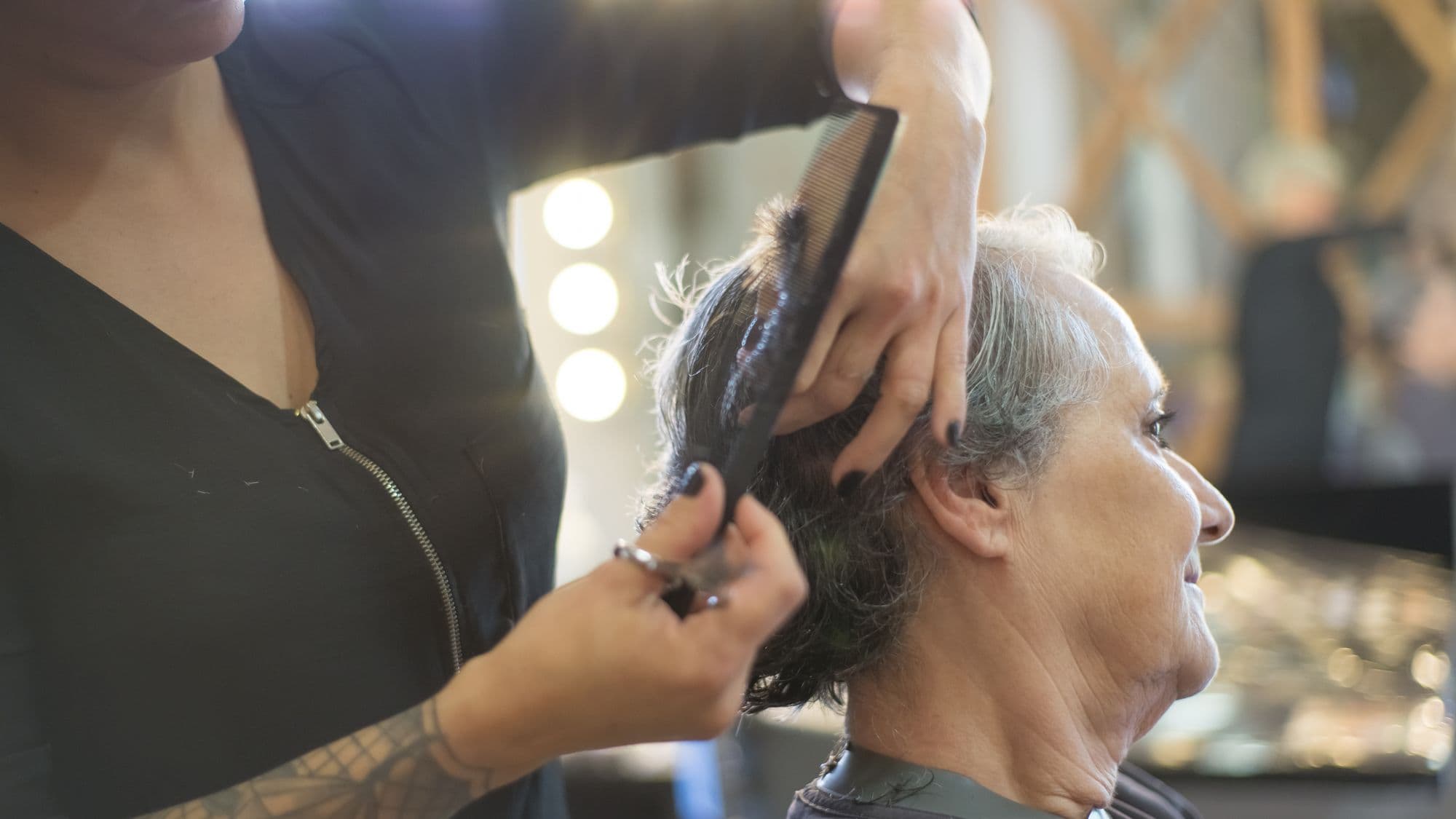
Every business in this trade sells the same thing: a person's time in a chair. The only question worth asking of the marketing is which hours it is filling.
What we measure here
The numbers a salon runs on.
- Appointments attended and paid, not appointments requested
- Rebooking rate within six and twelve weeks, split by how the client first arrived
- Column utilisation by day, hour and stylist
- Client value over twelve months, treatments and retail together
- Offers restricted to the slots that need filling, then measured against an unrestricted control
- No show and late cancellation rate, with deposits tested rather than assumed
- Social advertising judged on attended appointments rather than on engagement
Questions people ask
The ones that actually arrive.
We get most of our new clients from Instagram already.
Then the question is not whether it works, it is which posts and which advertising bring people who come back. That is measurable with a booking link that carries its source through to the appointment, and it usually takes a day to set up.
Is Treatwell worth the commission?
Sometimes, and it depends entirely on the rebooking rate of the clients it brings. If they book direct next time, the commission bought you a customer. If they only ever book through the platform, you are renting them. Both happen, and you should know which one you have.
Our stylists take their clients with them when they leave.
That is a business problem with a data component. Knowing which clients are attached to a stylist rather than to the salon, before somebody resigns, is the difference between a difficult month and a bad year.
We are a single chair business. Is this overkill?
Honestly, yes, for the full version. For a single operator the useful work is a couple of days getting the booking link tracked and the quiet hours identified, and we would scope it that way rather than put you on a retainer.
Proof
An Australian taxi company
More calls, at less than half the cost, by telling Google which callers paid.
A different trade entirely. It is here because the mistake it corrects, counting the cheap event instead of the valuable one, is exactly the mistake most salon advertising makes.
Read the case study- more booking calls
+27%
more booking calls
- lower cost per call
−56%
lower cost per call
- average cost per click
$2.10
average cost per click
Where this usually starts
Two pieces of work, in this order.
Businesses that sell the same way
Your turn
Bring the number you do not trust.
30 minutes. Most of these conversations start with somebody describing a report they have stopped believing.