
Solar, heat pumps and energy efficiency
Eleven weeks between a first click and a deposit, and most of what decides the outcome happens in a part of the process nobody is counting.
You install solar, batteries, heat pumps or insulation. Jobs are five figures, subsidy and tariff rules move the market underneath you, and a lead in January may not become a job until April.
Enquiries are cheap and plentiful. Very few of them are people who will pass a survey, clear finance and actually go ahead, and nothing in the reporting tells you which ones in advance.
What we keep finding
Five things that go wrong in this sector specifically.
This is a young industry with a long sales cycle and a subsidy regime that changes. All three of those make measurement harder and all three make it more valuable.
The cycle is longer than the attribution window
Default lookback windows expire well before a solar customer signs anything. The click that started it is gone from the report by the time the deposit lands, so the channel that began the sale gets credited to nothing and quietly loses its budget.
Unqualified enquiries are the cheapest thing on the page
Renters, flat owners, north facing roofs and people who wanted a ballpark figure for a conversation with their partner. They fill in forms readily and they convert at almost nothing, which makes cost per lead an actively misleading number here.
The survey is where the money is decided and where the data stops
Roof condition, shading, consumer unit, loft access. A firm that knows which enquiry sources survive survey, and which ones fail it for the same reason every time, can stop buying the ones that fail.
Grant and tariff changes move demand overnight
Search volume for heat pumps moves with policy announcements rather than with anything you did. Without a baseline, a good month caused by a government press release looks like your marketing working.
Reviews and accreditation do more than the ads and are never measured
This is a sector where people are frightened of being sold to badly. MCS registration, an installer's review count and a real address do more heavy lifting than any headline, and almost nobody tests them as though they were advertising.

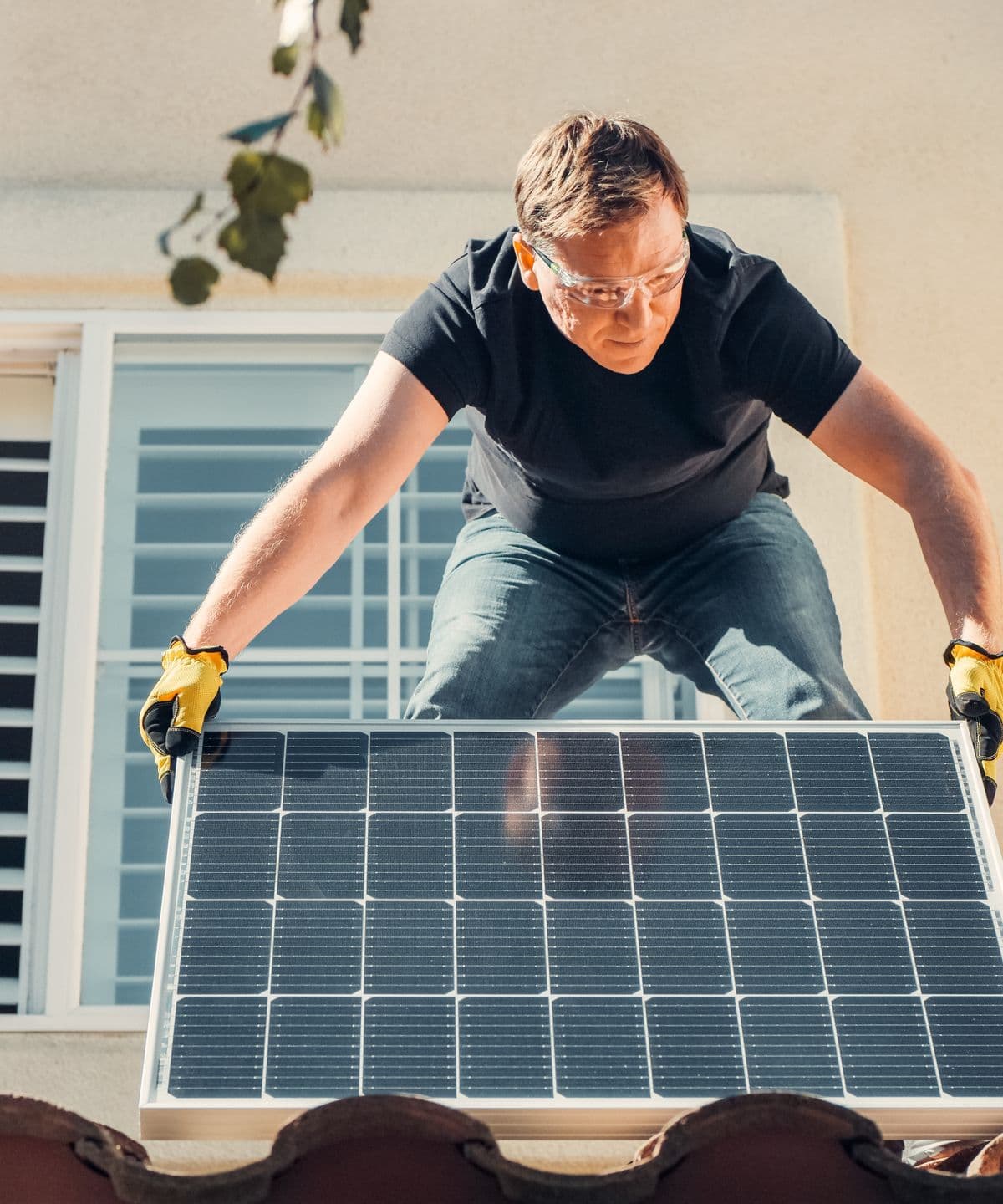
The finished job is the easy part to photograph and the hard part to trace. Eleven weeks earlier it was a click, and connecting the two is most of what we do here.
What we measure here
The steps that decide a solar year.
- Enquiry, qualified enquiry and surveyed enquiry as three separate events
- Survey pass rate by lead source, with the failure reasons grouped
- Extended attribution windows that match a real sales cycle rather than a default
- Deposit taken and job completed, both sent back to the ad platforms with their values
- Property type and tenure captured at the form, because a renter is not a lost sale, they are the wrong lead
- Finance and grant eligibility as a step, since it removes a meaningful share of enquiries
- Demand baselined against national search trend, so policy news is not mistaken for performance
How it starts
The first six weeks.
Longer than our usual first phase, and it has to be. A sales cycle this long cannot be understood from four weeks of data, so the first month is spent on the history you already have.
Read last year backwards
We start from completed installs and work back to where each one came from, by hand if necessary. It is unglamorous and it is the only way to see a cycle longer than the reporting window.
Define qualified
Written down and agreed with the people who do the surveys, not with the marketing. Usually it is four or five facts about the property, and capturing them at the form removes a large share of wasted surveys immediately.
Fix the windows and the imports
Attribution windows matched to the real cycle, and offline conversion import so a signature in April can pay back a click in January.
Then buy differently
With survey pass rate visible per source, the budget tends to move somewhere unexpected. It usually moves toward fewer, dearer, better enquiries.
We got two hundred leads last month and did eleven installs. I do not know if that is good.
Questions people ask
The ones that actually arrive.
Our leads come from a comparison site. Can you measure those?
Yes, and you should, because the useful comparison is cost per completed install from the platform against cost per completed install from your own channels. Platforms are sometimes the better deal. You are entitled to know when they are not.
The market moved against us when the grant changed. Is there any point?
There is more point, not less. When demand falls the firms that survive are the ones that know which enquiries are worth a surveyor's day. That is exactly the number this work produces, and it matters most in a bad market.
Should we be on TikTok and Instagram?
Possibly, for the education part of the job, and it is genuinely hard to measure at the point of sale. We would run it as a stated experiment with an agreed budget and an agreed date to stop, rather than as a line item that quietly renews forever.
How much of the difference is the website?
In this sector, a large part. People are checking whether you are a real company with real installers before they will consider a five figure job, and most installer websites are built to look modern rather than to answer that. It is usually the cheapest thing on the list to fix.
Proof
An Australian taxi company
More calls, at less than half the cost, by telling Google which callers paid.
A different trade, and the point it proves is the one that matters here: the reported conversion count and the money taken were two unrelated numbers until somebody joined them.
Read the case study- more booking calls
+27%
more booking calls
- lower cost per call
−56%
lower cost per call
- average cost per click
$2.10
average cost per click
Where this usually starts
Two pieces of work, in this order.
Businesses that sell the same way
Your turn
Bring the number you do not trust.
30 minutes. Most of these conversations start with somebody describing a report they have stopped believing.