What 20,000 daily users taught us about our own VPN app
Zip VPN is one of our own apps. When we tracked how people really used it, we found they weren't leaving because it was slow. They were leaving while they waited for a server that wasn't working to give up.

- Product
- Zip VPN
- Sector
- Our own app
- Where
- Worldwide
- people using it each day
- 20,000
- events recorded a day
- 300,000
- of users come back
- 20%
Why we measured our own app
Zip VPN is a free VPN that we build and publish ourselves. It's paid for by ads and used by around 20,000 people a day. For a while we ran it the way a lot of teams run an app: we watched installs and ratings and made our best guesses about everything else.
We didn't like how many of those guesses we were making, so we decided to treat it the way we'd treat a client's product.
Writing the questions down first
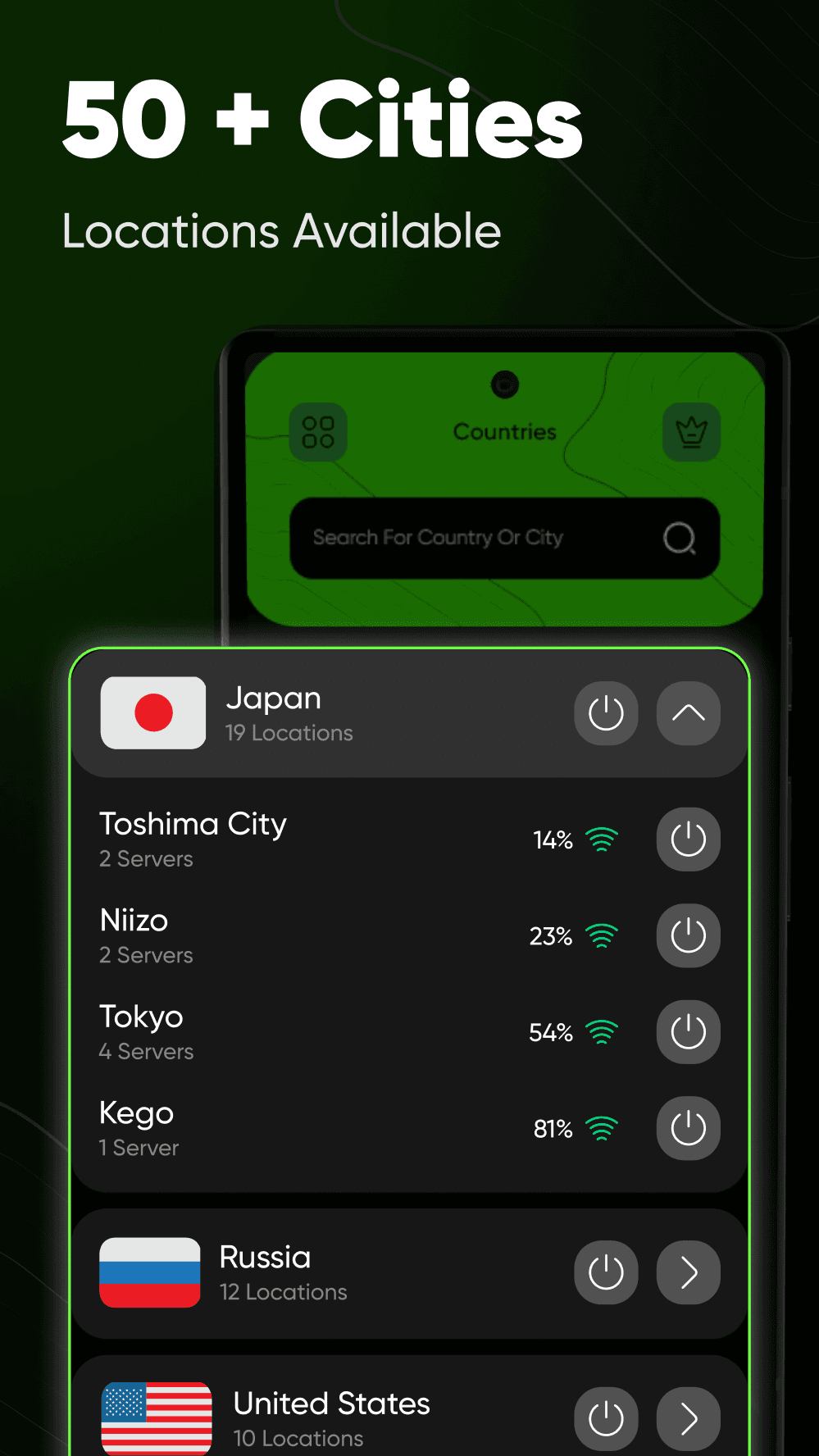
Before adding any tracking, we wrote down what we actually wanted to know. Which locations do people come back to? Where does a first session end? Does a failed connection lose us that person for good? How do people react when an ad appears, and does it push them out of the app?
Having the questions on paper stopped us tracking everything just because we could.
What we tracked
We recorded every step from installing the app to getting a working connection, along with what happened at each one: which location was tried, whether it answered, and how long the person waited. We also recorded every ad shown and what the user did next. Then we looked at who came back and lined that up against everything else. Each of those recorded moments is called an event, and together they come to about 300,000 a day.
What surprised us
We'd assumed people wanted speed. They weren't leaving because of speed. They were leaving in the few seconds it took a location that wasn't working to give up, while they sat looking at a loading spinner.
We also found that a small handful of locations accounted for most of our returning users, and that ads which interrupted a connection cost us more sessions than they earned.
What we changed
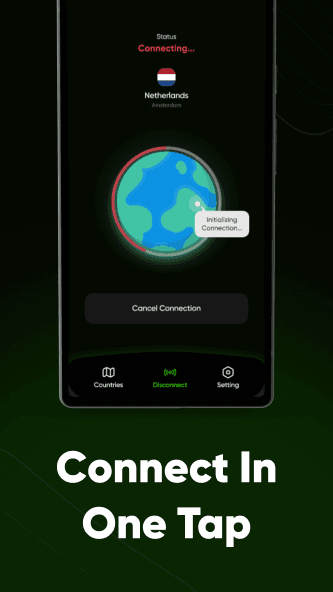
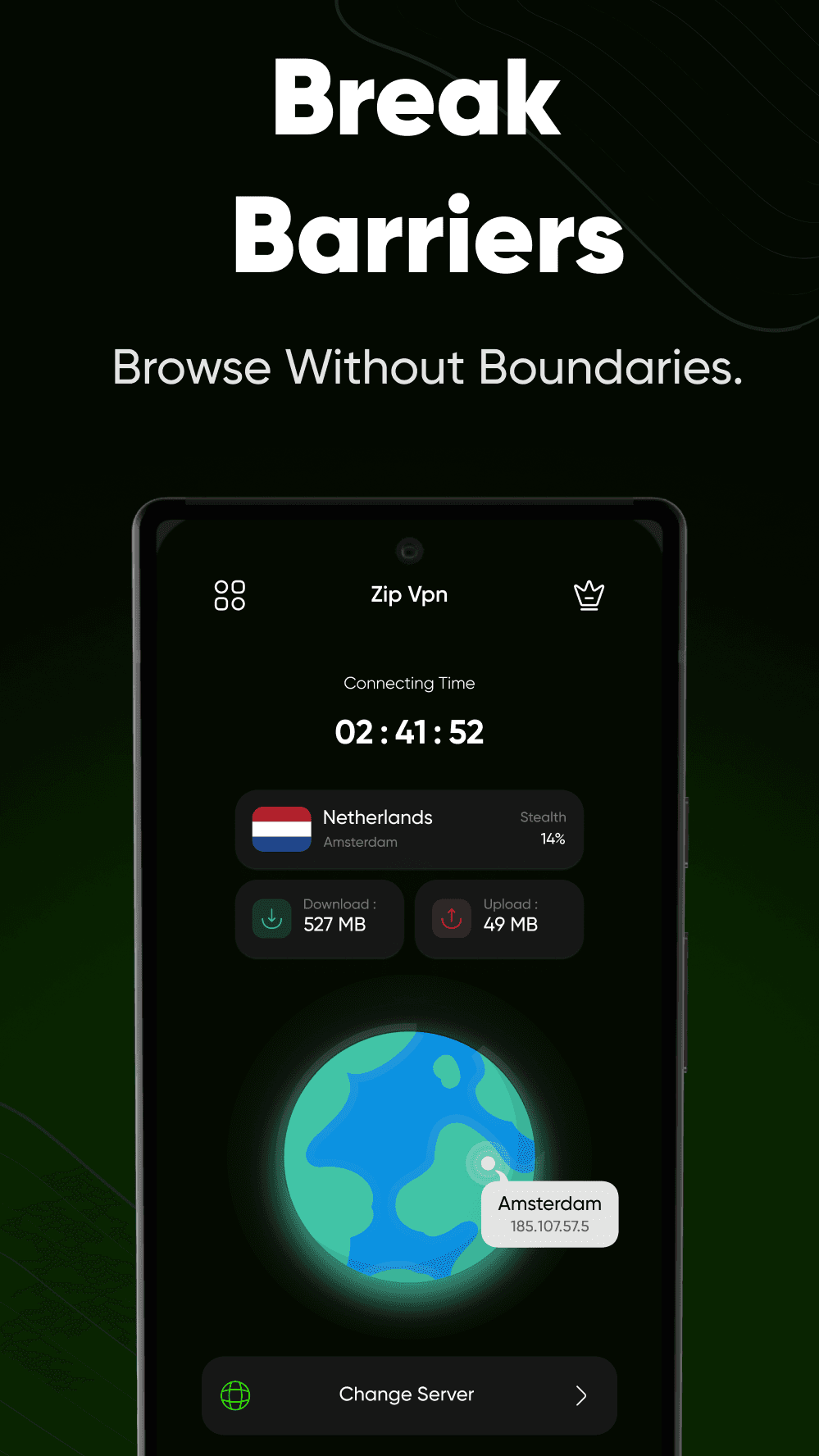
Automatic failover, switching to another location without being asked, became the heart of the app. If a location doesn't answer, Zip VPN moves on to the next one by itself and shows you it's doing so, instead of handing you an error. The locations people use most are kept healthy first, and ads now appear at moments the data showed were safe.
Around 20,000 people use the app every day, and one in five of them comes back.
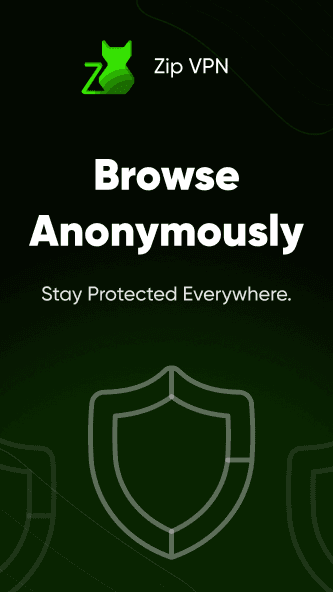
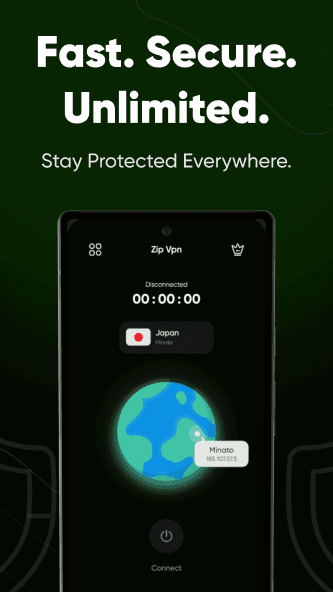
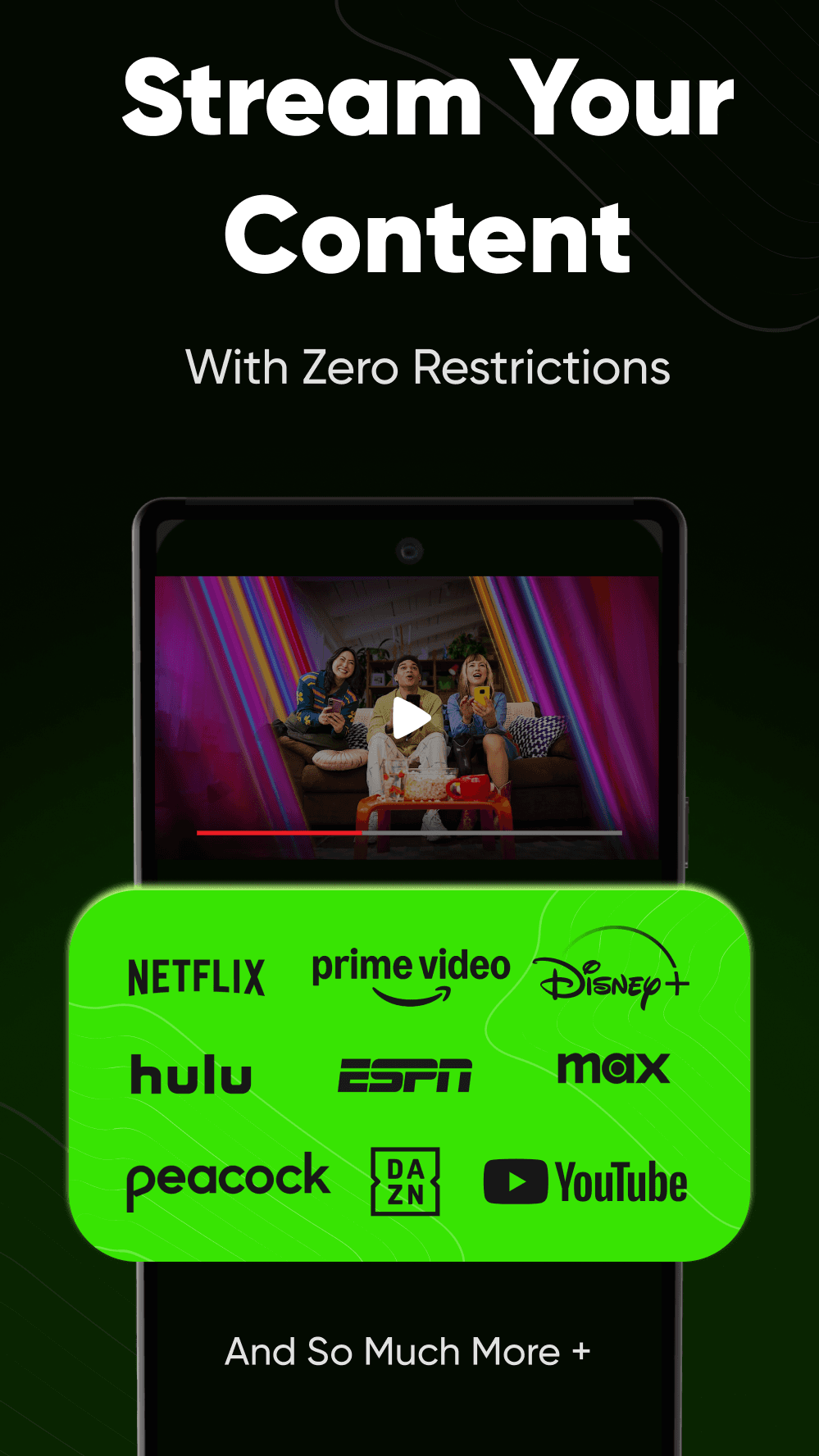
A look at Zip VPN
If you’re in the same spot
Our expensive guess was that users wanted speed. What they really wanted was to know it would connect, and a short list of places that always worked. You only find that sort of thing by measuring, which is why we do it to our own software before anyone else's.